

Summary
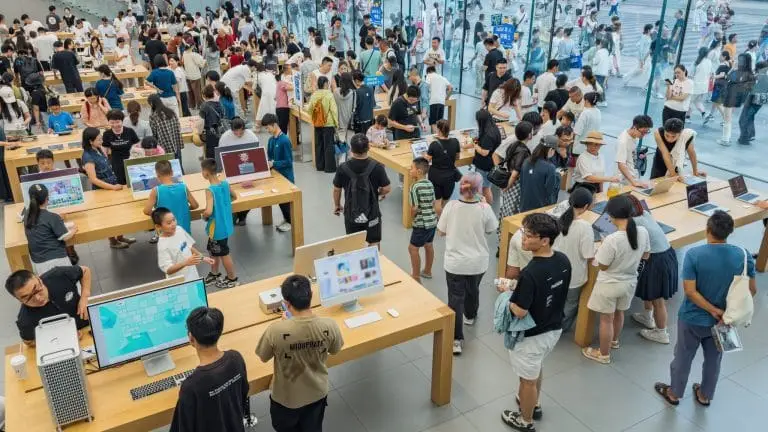
If you ask most store managers how their day went, the response usually comes quick: “Oh, the store was packed.”
But being packed doesn’t mean you’re selling well.
And that’s exactly where one of the costliest—and least visible—problems in physical retail lives: high foot traffic but low conversion rate. Customers come in, don’t buy, and without data, store owners have no clue why. The result? Reactive management, missed opportunities, and your business’s future at risk.
Physical Retail Still Operates in the Dark
Unlike e-commerce platforms, where analytics and metrics tools are natively built into every stage of the buying process—and every click, abandonment, and conversion is tracked in real time—physical retail operations often rely on primitive data collection methods and ineffective analysis tools, if they exist at all.
This inevitably leads to reactive management based largely on gut feelings. The manager feels like the store is packed, thinks foot traffic is strong, and believes operations are handling it. But without data, it’s all just intuition. And intuition doesn’t cover the shortfall when sales at the end of the day fall short of expectations.
Due to a lack of insights, most stores still can’t answer basic questions like:
- Which time slots convert best?
- Where are the operational bottlenecks?
- Why does one store in the chain outsell another?
The result? Inefficiencies and missed opportunities that, when added up, can significantly impact results.
The Most Common Mistake: Watching Foot Traffic Without Watching Conversion
If there’s one metric most store owners pay attention to, it’s foot traffic—the number of people entering and leaving the store. High traffic (“packed store”) is seen as a sign of success. Low traffic (“slow day”) is viewed as a marketing problem.
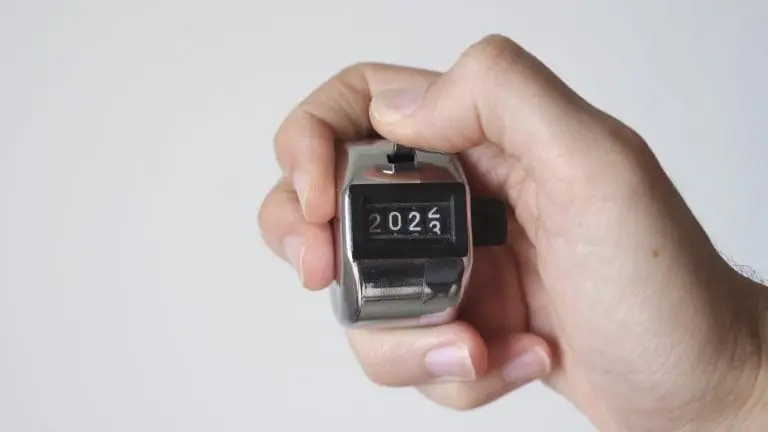
This customer counting happens in all sorts of ways. Some post an employee at the door with a handheld clicker, pressing a button for every entrant. Others use infrared sensors that tick up a counter whenever something passes in front. And some go for “smart cameras” that count via visual recognition.
No matter the method, many retailers fall into a recurring trap: analyzing foot traffic in isolation. What matters isn’t how many people walk in. It’s how many buy. Divide customers by sales, and you get the all-important “conversion rate,” which reveals a ton about operational health.
Imagine two moments in the day:
- 10 AM: Store’s packed, conversion’s high. Everything’s firing on all cylinders.
- 3 PM: Still packed, which is good. But for some reason, conversion has tanked. That’s a red flag for a serious issue.
This is one of the biggest insights in retail operations: when foot traffic holds steady but conversion drops, the problem isn’t attraction. It’s execution.
And that completely changes how you read your business.
Problems No One Spots in Time
When there’s foot traffic but no sales, the cause is almost always one (or more) of these operational issues:
Long Lines
This is a topic we’ve covered before. According to ABRAS (Brazilian Supermarket Association), a study by the Federation of Retailers’ Associations of São Paulo State (FCDLESP) found that 78% of surveyed store owners reported lost sales because customers gave up waiting.
Research shows consumers have a “tolerance window” of five to seven minutes for lines. Anything beyond that feels excessive and breeds frustration.
The issue? By the time the line is noticed, it’s too late—the customer has already decided not to buy.
Out-of-Stock Products
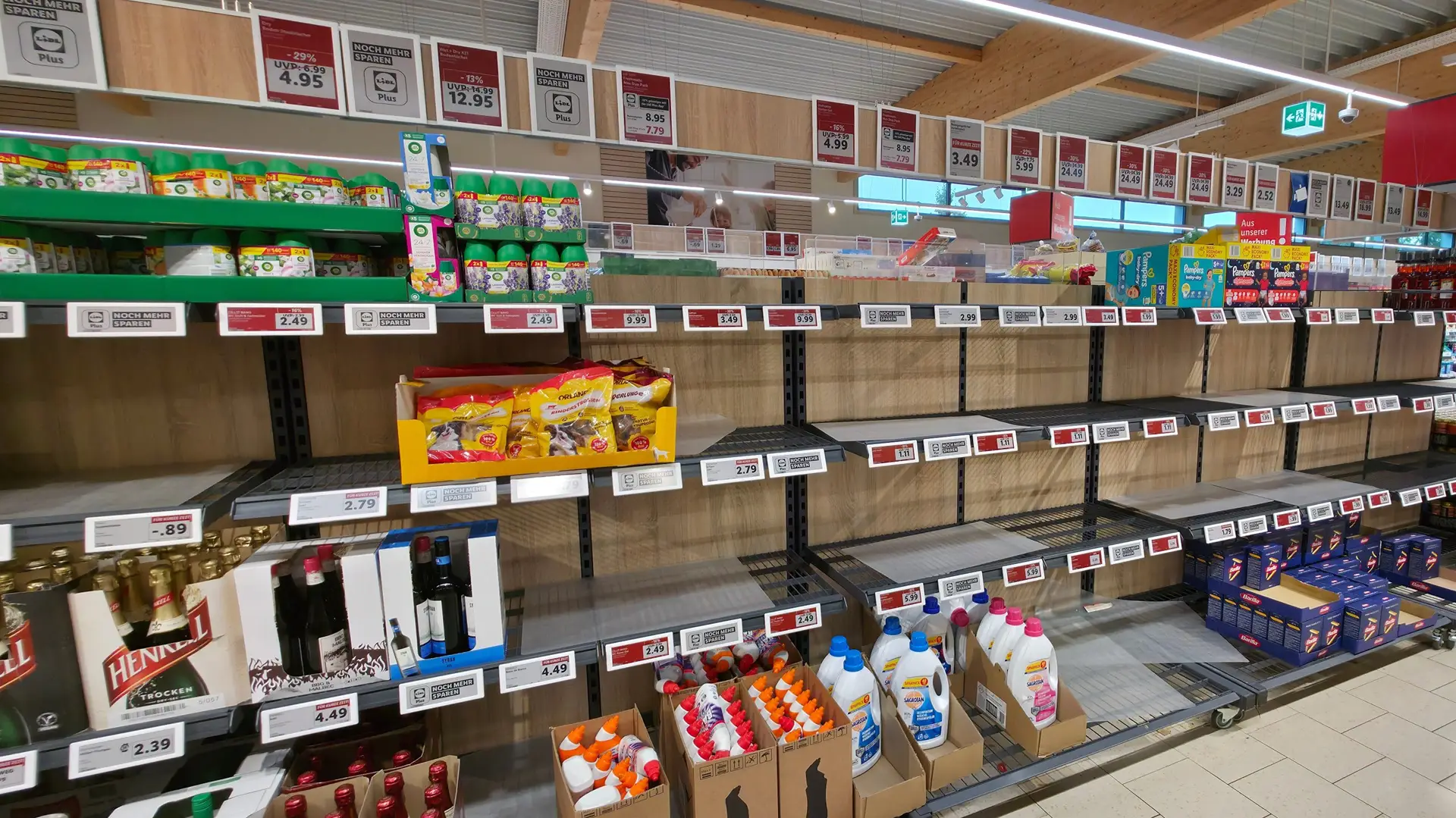
In the daily rush, many customers head to stores for a specific item. When they arrive and can’t find it, they inevitably leave empty-handed. Or worse: a Harvard Business Review article notes that, depending on the product category, 21% to 43% of shoppers will go to a competitor to buy it.
Without tracking these moments, the store never knows how many sales it lost. And worse: it has no idea when or why it happened. Was it low stock? Understaffed shelf stockers? Who knows.
Missing Prices or Poor Communication
Shoppers need information to make a purchase decision, and price is the big one. It’s simple: they want a “good deal,” so they actively compare prices on items from rice bags to pricey sneakers.
Your customer likely knows what an item costs at the competitor. If they can’t see the price in your store, doubt creeps in. Doubt creates friction, and friction kills conversion. Bottom line: without being certain that it’s a good price, they won’t buy.
And no, scattering price-check terminals around doesn’t fix it. Hunting for the nearest one and walking over adds more friction than just glancing at a price tag in the shelf. That is, if the terminal even works…
Poor Staff Allocation
In a world of one-click online purchases with same-day delivery, customers need a strong reason to visit a physical store—and they expect an experience worth the trip.
That could be as simple as seeing a product up close or getting answers from a knowledgeable salesman. But if no one’s available to help, expectations turn to frustration, your store loses its edge, and likely a sale.
Studies consistently show proper staffing directly correlates with conversion rates, average ticket size, and customer satisfaction. Peak hours understaffed, or slow periods with idle sellers, mean high costs and low conversion.
Operations off Standard
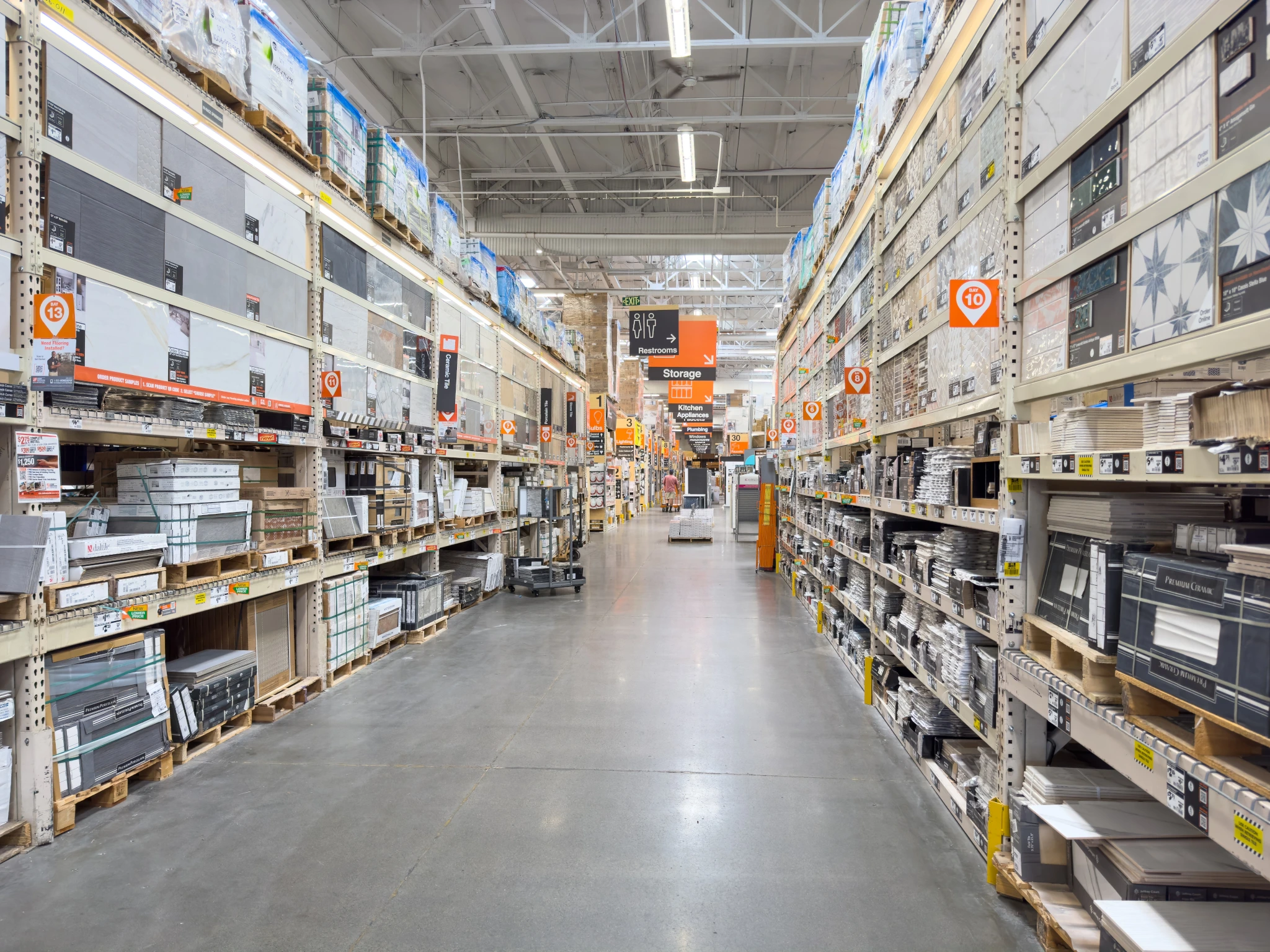
Stores opening late, incomplete restocking, inconsistent processes. All these directly hit sales—but they’re rarely measured.
The Silent Effect: Lost Revenue, Loyalty and Brand Damage
The fallout from these problems doesn’t always show up obviously, but it typically hits in three “layers.” The first is short-term revenue: the customer walks in, doesn’t buy, and your store loses an immediate sale.
The second layer is loyalty, with medium-term impact. If the last impression was bad, the odds of them returning—and future sales with it—drop. For instance, research shows that in the US, 77% of consumers say they’re less likely to return to a store after a long line wait. This kicks off a slippery slope: bad experience leads to fewer customers, fewer sales, less profit—all from avoidable issues.
Finally, there’s long-term brand damage. When bad experiences pile up, they spill beyond the store and taint the entire brand, linking it to negatives like “their stores are always messy” or “lines are always endless.” What started as an operational glitch becomes a reputation crisis, way harder (and costlier!) to fix.
The Real Villain: Lack of Insights
At the end of the day, it’s not enough to just measure foot traffic. Or just track sales. The problems we’ve discussed arise when these two aren’t connected. When foot traffic and conversion aren’t analyzed together, operations lose the ability to spot:
- Which time slots are underperforming.
- How customers behave inside the store.
- Where the experience is breaking down.
- When to intervene before losing the sale.
Without that correlation, the store reacts late—or not at all.
Why Is This Problem So Critical Today?
According to data from the 2025 edition of the Top 300 Brazilian Retail Ranking, compiled by the Retail Think Tank Brazil Institute (IRTT) in partnership with Mastercard, Brazil’s top 300 retailers moved around US$ 320 billion in 2024—a 9.6% jump from the year before.
Despite e-commerce’s growing presence, 90.7% of the sector is still physical retail: 80,600 stores employing 1.7 million people.
In other words: most revenue still hinges on operations that often lack real visibility into what’s happening inside the store. Meanwhile, customers are getting pickier, with less tolerance for friction.
Great service doesn’t just prevent losses—it boosts profits. Research shows customers with excellent experiences spend up to 140% more than those with bad ones. Plus, it cuts costs, since it reduces returns or consumer service calls.
The Question That Remains
If your store is packed but not selling, do you know exactly why? Or are you still operating in the dark?


Share this post