


Summary
Physical retail, especially that operated by major chains, remains the central engine of the economy. For the store operations manager, the challenge goes beyond managing a single unit—it’s about orchestrating a large-scale sales machine that demands peak efficiency. In today’s landscape, survival and profitability hinge on fully shifting from gut instinct to data-driven management, with smart shift management playing a key role in that transformation.
According to the 2025 Top 300 Retail Ranking, Brazil’s 300 largest retailers collectively generated more than US$ 260 billion in sales in 2024. Together, these companies operate over 80,600 stores and directly employ 1.7 million people.
For operations managers, this underscores the scale of their responsibility: overseeing the work of millions of staff across tens of thousands of locations requires precision that manual shift spreadsheets simply can’t deliver anymore.
In a sector with razor-thin margins, chain profitability now depends on delivering a seamless shopping experience, where human service acts as a strategic differentiator. The key question for managers evolves from “How many people do we have in the store?” to: “How are we leveraging data to position our team to seize every sales opportunity at the exact right moment?”
A Delicate Balance: Aligning Service and Efficiency
For a store operations manager, the work schedule isn’t just a list of names and shifts—it’s one of the primary levers for controlling store profitability. The real challenge lies in balancing two seemingly opposing scales: delivering impeccable service (which requires readily available staff) and maintaining operational efficiency (which demands tight cost control).
The Weight of Payroll and the Turnover Bottleneck
Human capital is both retail’s greatest asset and one of its biggest controllable costs. In chain retail operations, labor expenses typically account for 10% to 15% of gross revenue. Any planning misstep here directly erodes the company’s net margins.
Compounding this, the sector faces a retention crisis. In 2025, in Brazil, São Paulo retail hit an all-time high turnover rate of 60.3%. Inconsistent or overburdened schedules breed friction, accelerating this cycle of severance costs, fresh hires, and constant training.
The Pitfalls of Imbalance
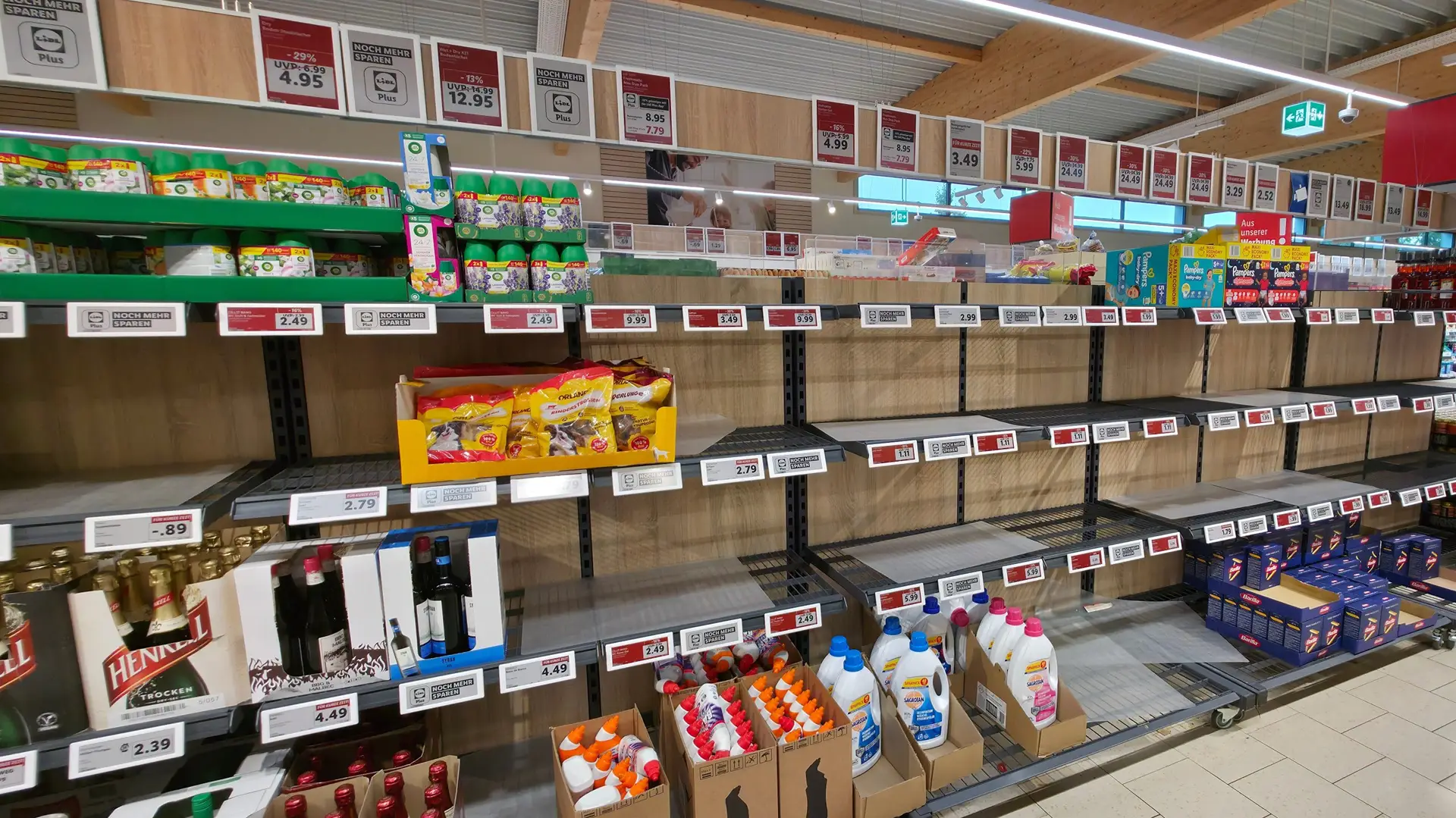
Without data-driven scheduling based on traffic and behavior, operations swing to dangerous extremes. One is understaffing, which drives cart abandonment. Modern shoppers expect instant service, and a lack of floor support or long checkout lines lead to queue abandonment.
Research shows poor experiences come at a steep price. Global customer experience studies reveal that over 53% of consumers say they’d cut back on purchases at a store after just one bad encounter.
The flip side is overstaffing. Idle employees during low-traffic periods aren’t just dead weight—they also disengage from sales goals.
On top of that, without clear visibility into demand peaks, managers often resort to excessive overtime to “put out fires,” inflating labor liability risks that precise scheduling could largely avoid.
The Mismatch Between Traffic and Staffing
The real culprit is the static schedule. Many chains still build shift schedules based on weekly historical averages—or worse, “that’s how we’ve always done it.” The issue? Customer traffic is dynamic, shaped by weather, nearby competitor promotions, or local events. A schedule that doesn’t flex with real demand is doomed to miss conversion opportunities hour by hour.
Data-Driven Staffing: The Intelligence Behind Perfect Schedules
Data-Driven Staffing—or Intelligent Shift Management—isn’t about digitizing spreadsheets; it’s using data science to predict human behavior, from customers to employees. By replacing “gut feel” with precise metrics, operations managers shift from reacting to problems to anticipating opportunities.
How Data Builds the Ideal Schedule
For truly smart scheduling, feeds go beyond basic sales history.
Take traffic sensors and heat maps, which capture not just buyers but entrants, their paths, and regional peak hours. This pinpoints hot zones and hesitation areas where a salesperson’s presence turns browsers into buyers.
Correlating this with dwell time and conversion rates (sales/total traffic) per zone lets managers allocate staff precisely to high-demand spots by time slot.
Key Benefits: From Operations to Bottom-Line Profit
Data-based shift management delivers measurable gains across three fronts. First, labor efficiency and cost cuts: accurate peak forecasting avoids rushed call-ins, with adopters reporting 30-70% drops in overtime pay.
Smart systems ensure strict compliance with labor and rest rules, slashing legal risks while freeing store managers up to 2 hours daily from scheduling admin to focus on training and motivation.
Sales lift is clear too—a 2-3% conversion bump from right-place, right-time staffing can mean millions for mid-sized chains, massively boosting net results. U.S. giants like Walmart and Kroger show smart scheduling lifts worker efficiency up to 15%.
Finally, balanced teams make service faster and less stressful, directly curbing turnover rates that can top 60% in the sector.
Conclusion: The Future of Retail Is Written in Data
Embracing Data-Driven Staffing reframes store teams from a “cost center” to a “sales lever.” By leveraging traffic and behavior data to position salespeople at the precise purchase decision moment, chains unlock tangible gains.
For operations managers aiming to stand out in 2026, it’s time to ditch “that’s how we’ve always done it.” Data analytics doesn’t replace human judgment—it supercharges it, stripping away uncertainty so people—retail’s top asset—shine where it counts: face-to-face with customers.
Ask yourself: Is your current schedule driving more sales, or just filling calendar gaps? Your operation’s future rides on that answer.



Share this post