Sumário
By 2025, computer vision has established itself as a critical intelligence layer for the global economy. The market, valued at US$ 19.78 billion in 2024, maintains an accelerated growth trajectory with an annual rate (CAGR) of 17.3%, projecting a sector of approximately US$ 31.93 billion by 2027.
This advancement is driven by the need for real-time automation and the integration of AI into core sectors. The focus of companies has matured: the priority now is the practical application of visual data to solve operational bottlenecks in logistics, security, and agricultural production. In this article, we explore the five fundamental trends that unite AI and vision to transform productivity in the current market.
1. Edge AI: Local Processing and Immediate Response
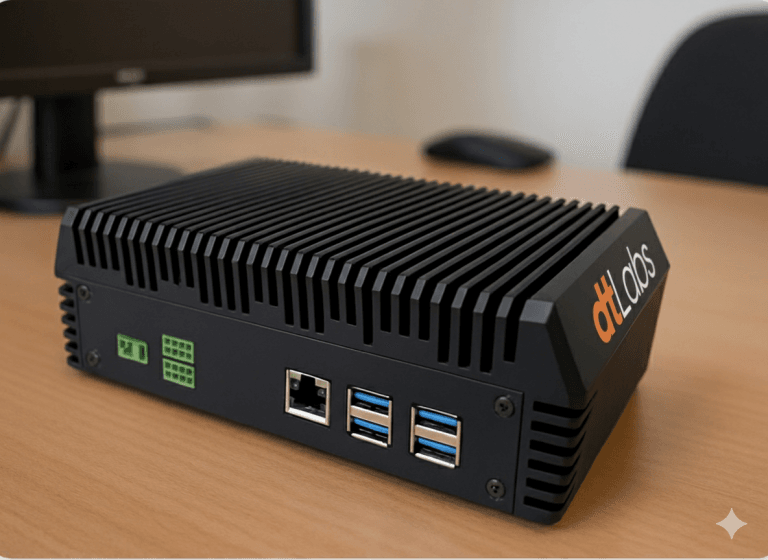
Edge AI allows image processing to occur directly on the device (cameras, sensors or AIBoxes), or as close to it as possible, eliminating the latency of sending data to the cloud. This solves critical connectivity issues, especially in rural areas or complex industrial plants, and also security concerns by preventing sensitive information from having to travel over the internet to remote servers.
The market seeks this solution for its agility in decision-making. According to Grand View Research, the AI-powered edge computing sector is expected to maintain an annual growth rate exceeding 20%, reflecting its importance for operations that cannot afford milliseconds of delay, such as the interruption of an assembly line when detecting a safety issue.
2. Behavioral Analysis in Asset Security
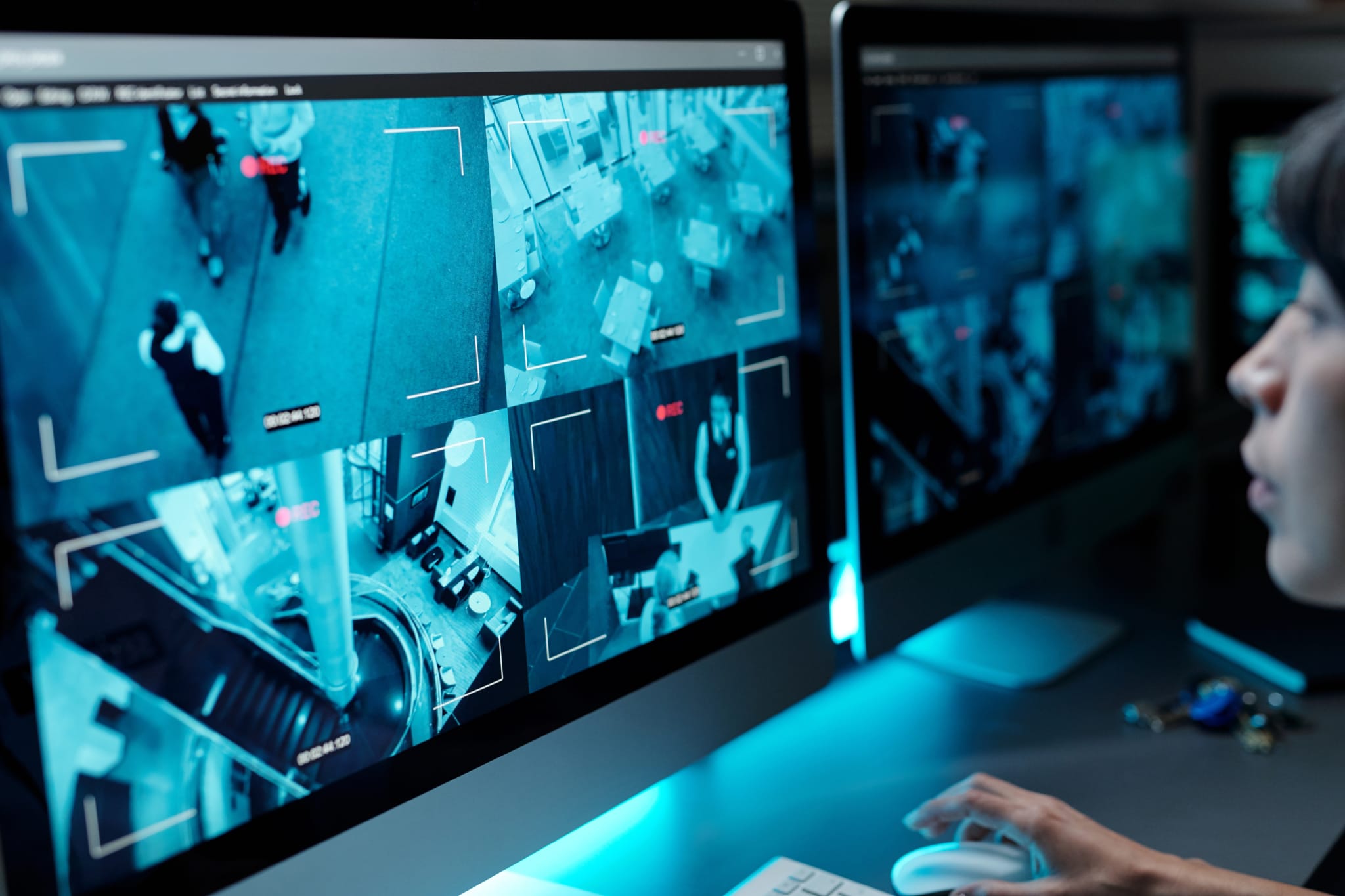
Asset security has evolved into Behavioral Analysis, where algorithms detect patterns such as falls, access to restricted areas, or suspicious behaviors without the need for constant human monitoring.
This trend responds to the need to increase accuracy in incident detection. According to data from Mordor Intelligence, the video analytics sector is rapidly expanding, driven by demand for systems that proactively prevent losses, rather than merely recording events for later auditing.
3. Hyper-personalization in Phygital Retail
In retail, computer vision is used to understand consumer behavior in physical spaces. The technology enables the concept of “hyper-personalization,” where the offering is adjusted to the profile of store traffic.
McKinsey highlights that 71% of consumers expect companies to deliver personalized interactions. The use of vision sensors addresses the lack of data in physical retail compared to e-commerce, allowing retailers to identify points of interest and optimize store layout to increase conversion.
4. Digital Twins and Real-Time Vision in Logistics
Digital Twins are virtual models that replicate the physical state of warehouses and fleets. In 2026, the trend is toward total integration with computer vision cameras for instant model updates. Gartner points out that the use of “Digital Twins” in the supply chain is one of the most promising technologies for improving visibility over operational bottlenecks.
The main benefit is the ability to simulate logistical scenarios before executing them. Reports from McKinsey indicate that the implementation of digital twins can lead to drastic improvements in response time to logistical crises and in the management of complex inventories.
5. Automated Stock Volumetry in Agribusiness
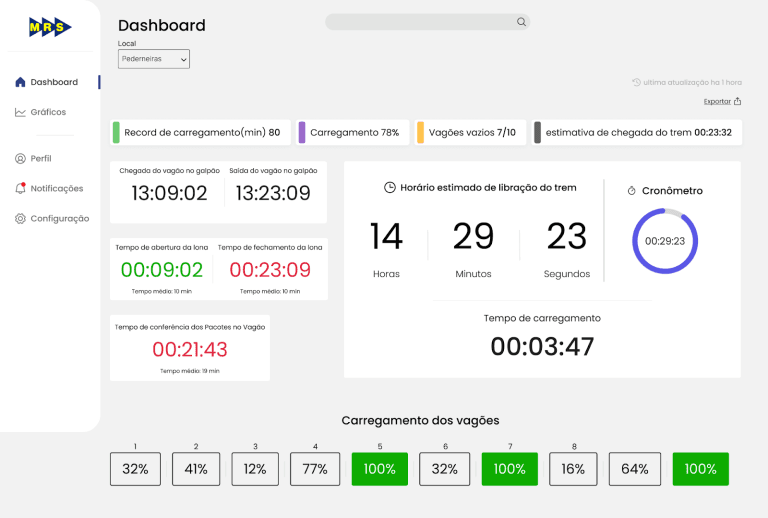
In agribusiness, computer vision applied to volumetry uses cameras and sensors to automatically measure grain levels in silos. This eliminates human error and the risk of accidents in manual measurements.
The demand for this technology is justified by the financial management of assets. According to McKinsey’s agtech trends report, the use of sensor data for input monitoring is one of the main value opportunities in the field, ensuring inventory accuracy and better planning for crop outflow.
Efficiency as a Common Thread
Although applied in distinct sectors, the trends for 2026 converge on a single objective: the transformation of visual data into financial efficiency. Whether reducing latency with Edge AI or ensuring inventory accuracy in agriculture, the market seeks technologies that eliminate waste and uncertainty.
The integration of these tools allows companies to operate based on real-time evidence. In a scenario of increasingly narrow margins, the ability to “see” operations with technical precision has become the greatest competitive advantage in the industrial and commercial sectors.