Sumário
Queue Abandonment: The Silent Villain That Harms Your Sales
Imagine yourself as the head of operations for a retailer, responsible for the operation of all stores in a chain. And you have a mystery on your hands: sales in some of them are falling, with no clear explanation.
You check the available indicators: the stores are opening on time, and the teams seem sufficient. The stock of the main products is at normal levels, and the shelves are well-organized. Movement seems normal, and customers are going to the stores. But, for some reason, they are not completing their purchases.
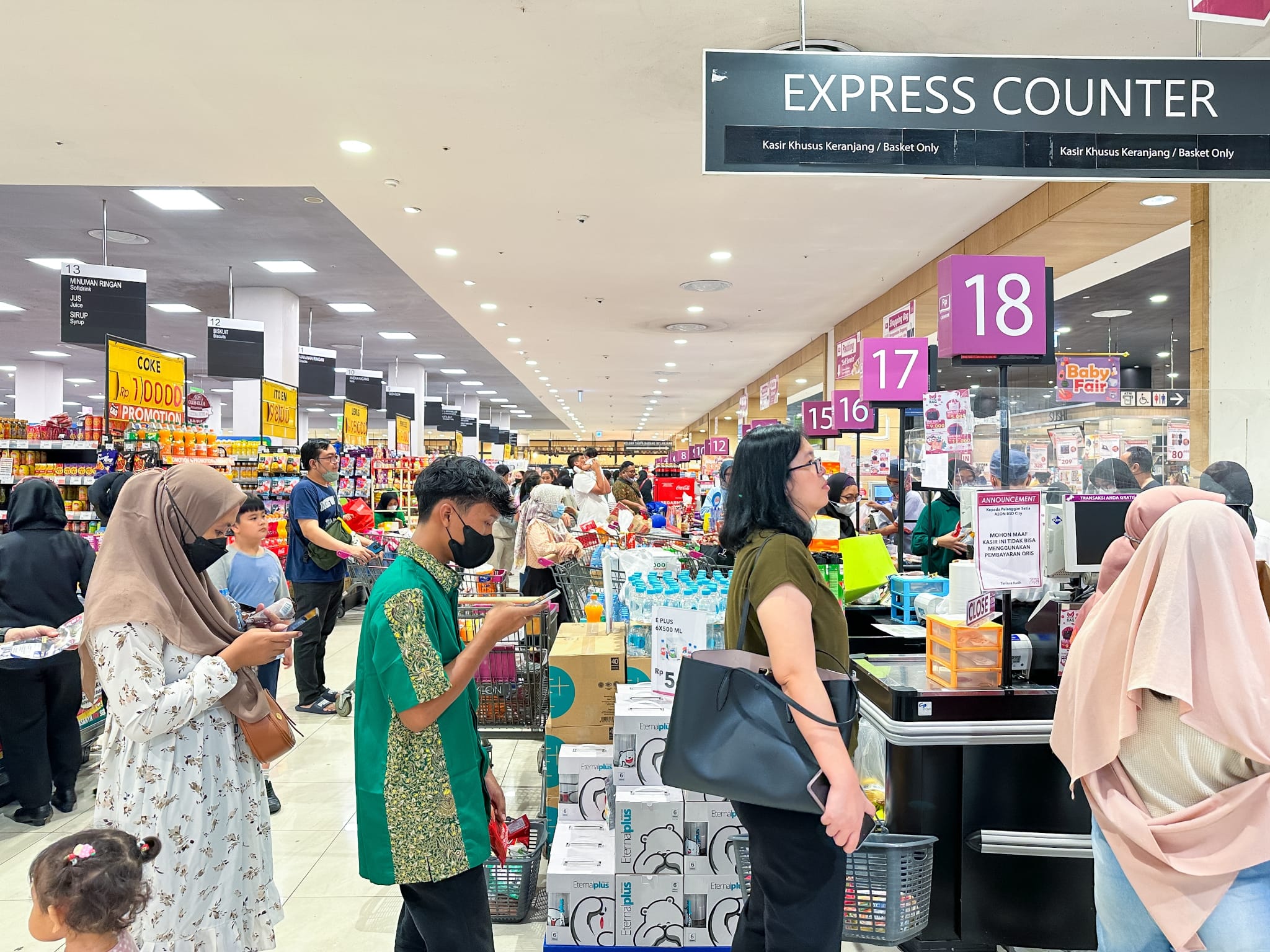
The cause may be a silent villain, often difficult to measure, but one that has a real impact on sales: queue abandonment. Customers enter, choose their products, head to the cashier, and are faced with long lines. Frustrated by the delay, they leave their shopping carts in an aisle and walk away. In a fraction of a second, what should have been a certain sale turns into a lost opportunity.
For the retailer, queue abandonment, also known as reneging, is a problem that goes beyond financial loss. Customers feel disrespected by long queues: after all, the time they spend waiting could be better used in more useful or enjoyable activities.
And if the lines are constant, the business may end up gaining a bad reputation that drives away customers: in the US, 77% of consumers say they are less likely to return to a store after a long wait. This is what is known as a “death spiral”: More lines, fewer customers, fewer sales, less profit. All due to a problem that could have been avoided.
Time is relative, and it’s not on your side
Research indicates that consumers have a “tolerance window” that varies between five to seven minutes for waiting in lines. Any time beyond that is considered excessive and begins to generate frustration. Knowing this, the solution seems simple: if the retailer keeps queues within this limit, the consumer will be satisfied. Right?
Unfortunately, for the retailer, “time is relative.” Albert Einstein once said: “Put your hand on a hot stove for a minute and it seems like an hour. Sit with a pretty girl for an hour, and it seems like a minute.”
In other words, our perception of time is shaped by how pleasant the activity we are engaged in is. And there has yet to be born a person who enjoys being in a line. The result is a “time distortion.” The customer may have only been in line for five minutes, but for them it feels like fifteen. Enough for irritation to take over.
According to ABRAS (Brazilian Supermarket Association), a study by the Federation of Chamber of Retail Directors of the State of São Paulo (FCDLESP). in Brazil, shows that 78% of retailers surveyed said they experienced loss of sales because the customer gives up waiting.
Long queues can even affect the flow of customers in the store, acting as a repellent. This behavior is known abroad as balking: when the customer, upon entering the store, sees long lines and decides to turn around, without even starting the purchase.
Calculating the loss from queue abandonment
Calculating the loss caused by queue abandonment in physical retail is not an easy task. This is due to the lack of accurate and integrated monitoring tools that precisely capture when a customer decides to leave the queue before being served.
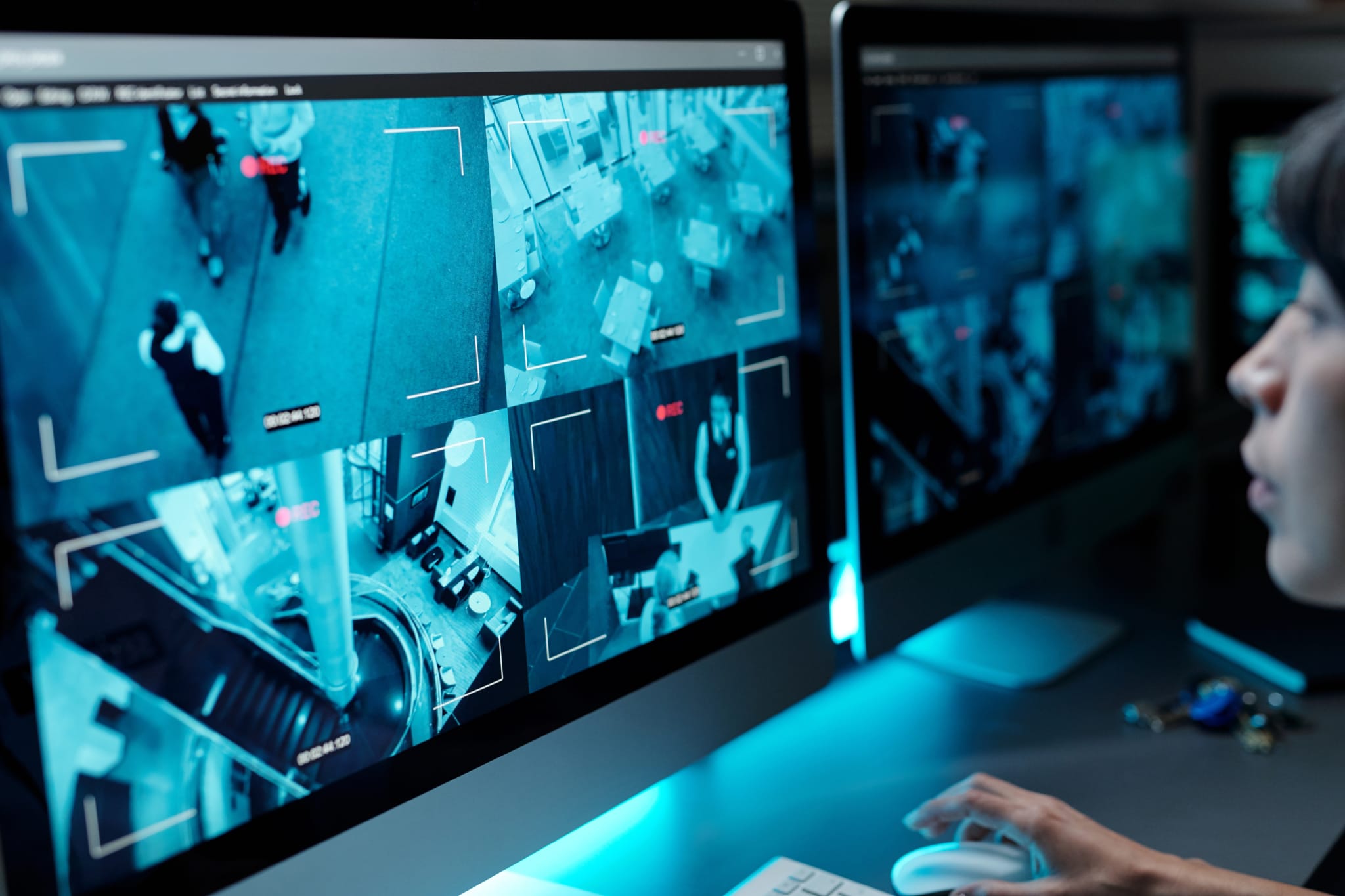
Unlike e-commerce, where digital data such as clicks, views, and interactions are tracked automatically, in physical retail, queue abandonment is a behavior observable only through security cameras, presence sensors, or human observation, which brings limitations.
Even so, there are studies on the subject. The company KSI Vision estimates that sales losses resulting from queue abandonment can range from US$ 20,000 monthly in small retailers, reaching a staggering US$ 500,000 monthly in large establishments.
The same estimate indicates that, in high-volume establishments, up to 70 sales can be lost per hour when the waiting time exceeds 10 minutes. Multiply this by the store’s average ticket, and you will have a tangible dimension of the problem.
Conclusion
Queue abandonment is, without a doubt, one of the great villains of physical retail, turning certain opportunities into significant losses and eroding brand reputation. The problem intensifies with the customer’s distorted perception of time, where a few minutes in line seem like an eternity, leading to frustration and giving up on the purchase.
Success in modern retail inevitably involves prioritizing the customer experience, and that starts with eliminating the checkout bottleneck. The practical implementation of a solution to this problem, however, is something we will discuss in a future article.